Key Takeaways
- Uber is backing new California ballot initiatives, known as Uber’s initiative, that would change how car crash lawsuits work across the state.
- These proposed measures would cap attorney fees and limit how much accident victims can recover for medical bills.
- Uber’s initiative would mean accident victims may retain only 75% of their settlement, which could discourage attorneys from taking on their cases due to reduced financial incentives.
- The rules would apply to all vehicle crashes in California, not just Uber rides.
- The Legislative Analyst’s Office has stated that if Uber’s measure is approved, the state could face increased Medi-Cal costs due to limits on recoveries for medical expenses, potentially affecting the availability of care for accident victims.
- Punchwork helps workers and gig workers who face job loss, discrimination, or retaliation after crash injuries.
What Is the New Uber California Ballot Initiative?
If you live in Los Angeles, California, you may soon see ads about a new ballot measure. Uber is pushing two related citizen initiatives for the November 2026 election. These measures would create a constitutional amendment changing the rules for car crash cases.
Here’s the key point: this is not just about Uber rides. The proposed law would apply to all vehicle crashes in California. That means any driver, passenger, or pedestrian hurt in a collision could be affected.
Uber is the main company paying for this campaign. They have already spent millions. To get on the ballot, they need about 874,000 valid signatures from registered voters. The deadline to submit those signatures is June 2026.
In California, the liability coverage requirement for rideshare companies is one million dollars. That’s much higher than the thirty thousand dollars required for personal vehicles. Each state sets its own insurance requirements for rideshare drivers, so coverage rules can vary significantly across the country. Rideshare drivers commonly have higher commercial auto insurance coverage requirements than other vehicles on the road, including taxis, limousines, and commercial livery vehicles. Uber says this high cost is part of why they want changes. But critics say the proposed measure goes too far.
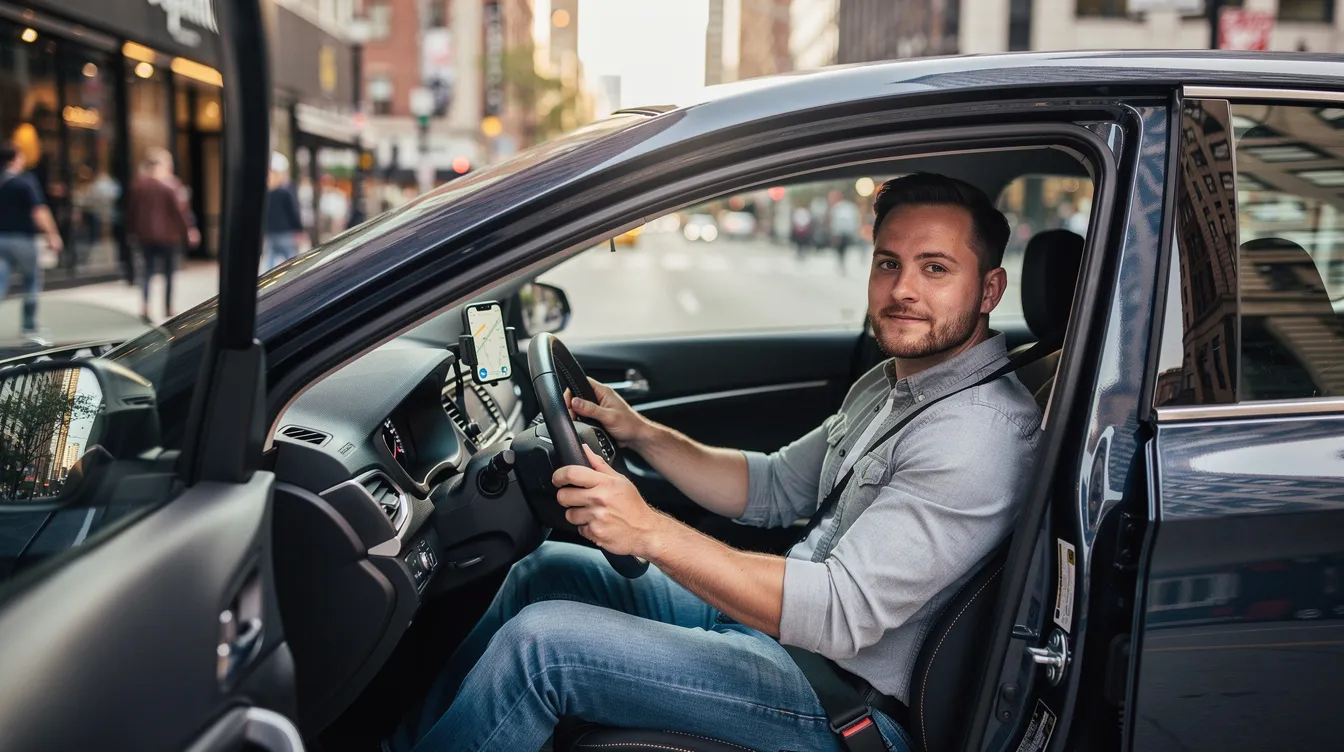
How Uber’s Initiative Would Change Attorney Fees
Let’s start with a simple idea. Most injury lawyers don’t charge money upfront. Instead, they take a share of the money you win. This is called a contingency fee. Right now, lawyers often take 33 to 40 percent of a settlement.
Uber’s initiative would cap these fees. The rule would say injured people must keep at least 75 percent of any money from a crash claim. That sounds good at first. Who wouldn’t want more money?
But here’s the problem. If accident victims retain only 75 percent of their settlement, attorneys may not take their cases. The reduced pay makes some cases not worth the lawyer’s time. This is especially true for claims that are hard to prove or involve smaller amounts.
Uber’s proposed initiative aims to cap personal injury lawyers’ contingency fees and limit medical damages for vehicle crashes. This could discourage attorneys from taking on cases for accident victims.
People with low-wage jobs may struggle most. Gig workers already live paycheck to paycheck. If they get hurt and can’t find a lawyer, they may get nothing at all. Consumer attorneys warn this could leave many crash victims without help.
Limits on Medical Bills and Health Care After a Crash
When you get hurt in a car accident, you need care. Today, you can usually seek compensation for the full cost of your treatment. This includes medical expenses like hospital stays, surgery, and rehab.
Uber’s proposal would change that. It would tie medical bill payments to Medicare and Medi-Cal rates. These are government prices that are 50 to 70 percent lower than what hospitals normally charge.
Here’s a real example. A crash victim might have medical bills of $250,000. Under the current legal system, they could recover that full amount. Under Uber’s plan, they might only get $80,000.
The Legislative Analyst’s Office noted that if Uber’s measure is approved, the state could face tens of millions of dollars in increased Medi-Cal costs. Why? Because hospitals may turn to the state to cover unpaid bills.
Doctors might also stop treating crash victims on a lien. A lien means the doctor waits to get paid from the settlement. If the pay is too low, why would they take that risk? Uninsured workers in Los Angeles, California could be turned away when they need medical attention most.
Why Attorney and Doctor Groups Are Fighting Back
This ballot fight is getting expensive. Consumer attorney groups and medical groups have formed a strong camp against Uber’s measure. They are spending tens of millions of dollars to fight back.
These groups are also funding their own competing initiatives. One proposed measure would treat rideshare companies like taxis and buses. This would make Uber take more responsibility for passenger injury cases.
Another measure aims to protect your right to choose your own lawyer. It would block any caps on fee agreements between you and your attorney.
The insurance costs for rideshare drivers have increased by more than 50 percent per trip over the past three years. Uber blames high insurance limits and what they call litigation abuse. Through legislative efforts and actions by the legislature, Uber successfully lobbied to lower the required insurance coverage for rideshare companies from $1 million to $60,000 per person and $300,000 per incident for uninsured and underinsured motorists in some states.
But opponents say these cuts hurt injured passengers. They argue that lower coverage means less money for accident victims.
How These Initiatives Affect Everyday Riders and Drivers
If you drive, ride, or walk in Los Angeles, California, these rules could affect you. The ballot measures would shape how much money crash victims can recover in court.
Passengers injured in vehicle collisions caused by someone else’s negligence can pursue a passenger injury claim. This may cover medical expenses, lost earnings, pain and suffering, and other damages. But caps on fees and medical payments could shrink what you actually receive.
Think about these examples:
- A rideshare driver hurt en route to pick up a ride request
- A delivery driver in a car crash between jobs
- A commuter hit by another driver while heading to work
Passenger injury claims can be complicated by issues of liability and fault, especially in multi-vehicle accidents. Determining fault is crucial, as it directly impacts who is liable and how much compensation is available. Insurance companies may attempt to minimize their liability and pay you less, particularly when comparative negligence is involved. Passengers filing claims must navigate the process of proving fault and may see their compensation reduced if they are found partially at fault.
State law requires rideshare drivers to have commercial auto insurance. Personal auto insurance typically doesn’t cover accidents that occur while earning on platforms like Uber. Rideshare drivers commonly have higher commercial auto insurance coverage requirements than other vehicles on the road, including taxis, limousines, and commercial vehicles.
Some states require one million dollars or more in uninsured/underinsured motorist insurance coverage for rideshare drivers. This is often much higher than what personal vehicle owners need.
High insurance requirements in states like New Jersey and New York contribute to increased insurance costs for consumers. In New Jersey, nearly one-third of a rider’s fare goes towards state-mandated insurance costs.
Workers may also face job loss after a major crash injury. Your employer might not hold your job while you heal. This is where your legal rights matter beyond just the crash claim itself.
What Workers and Gig Drivers Should Watch For
Here is what you should keep an eye on.
First, look for official summaries from the attorney general. Watch for an official title and ballot number. These will appear on the California Secretary of State website.
Don’t trust campaign ads. They are paid for by people with money at stake. Instead, check independent voter guides from groups like CalMatters or the League of Women Voters.
The initiative process is part of California’s direct democracy system. California voters get to decide. But once something is in the state constitution, it’s very hard to change. A simple majority can pass it, but only another vote can undo it.
Ask yourself simple questions:
- Who gains money from this proposed law?
- Who loses help if it passes?
- How does this affect my coverage if I get hurt?
Track the signature drives. Watch for updates on measures approved for the ballot. Key dates include the June 2026 deadline and the November election.
Legal reforms in some states like Florida and Louisiana have shown potential to stabilize insurance costs. But opponents warn that California’s proposed measures could leave many people worse off than before.
How Punchwork Helps Injured Workers and Gig Workers
Punchwork represents workers facing job loss, discrimination, and retaliation after injuries. Many of our clients are hurt in car crashes. This includes rideshare and delivery drivers.
We help with wrongful termination tied to time off for crash injuries. If your employer fires you for taking medical leave, that may be illegal. We also handle disability discrimination cases when workers need job changes after a wreck.
Punchwork can work with your injury lawyer to coordinate issues around your job, benefits, and professional licensing. Crash injuries often cause property damage and lost wages. But they can also cost you your career if your employer treats you unfairly.
We offer free consultations with no pressure. If you work or drive in Los Angeles, California and have questions about your rights, reach out. You deserve to know where you stand.
Frequently Asked Questions
Does this Uber initiative only affect Uber crashes?
No. The measure would apply to all car crashes in California. Any driver, passenger, pedestrian, or cyclist hurt in a collision could be impacted. The rules on attorney fees and medical bill limits would reach across all crash cases, not just rideshare insurance claims.
If I am hurt in a crash at work, will these rules affect my job rights?
The initiative deals with injury lawsuits and medical payments. It does not change basic job protections. Workers still have rights against wrongful firing, discrimination, and retaliation. Punchwork can help connect crash injuries to workplace mistreatment issues.
Can I still choose my own lawyer if this passes?
Yes, you can still choose your own lawyer. But fee caps might mean some lawyers can no longer afford to take certain cases. A competing attorney-backed ballot measure aims to protect client choice and fee deals during the legislative session ahead.
What if I do not have health insurance when I am hit?
Today, some doctors treat crash victims on a lien. They wait to get paid from the case. But limits tied to Medicare or Medi-Cal rates may make doctors less willing to do this. Always seek medical attention right away. Talk to a lawyer about billing options for comprehensive coverage of your care.
In Arkansas, passengers can file claims against the driver of the vehicle they were in, the other driver involved in the accident, or both drivers in multi-vehicle crashes. Each state handles these claims differently. California has its own rules about liability coverage and additional coverage requirements.
How can I stay informed about these ballot measures?
Watch the California Secretary of State website for official ballot titles and summaries. Check local news and non-profit voter guides for plain-language breakdowns. You can also contact Punchwork with questions about how new rules might affect your job-related legal rights. Stay informed as the 2026 election gets closer.