Working for a tribe in Oklahoma? This plain-language guide explains Oklahoma tribal employment, tribal sovereignty, and how federal employment laws apply in simple terms. Tribal employment spans a wide range of industry sectors, including government, healthcare, education, hospitality, and gaming. Major employers like the Chickasaw Nation offer careers in medicine, IT, education, and entertainment, reflecting the diversity of job opportunities available. Tribal employment not only supports Native communities but also contributes significantly to the state’s labor force, strengthening Oklahoma’s overall economy.
Introduction: Why Oklahoma Tribal Employment Law Is Different
If you work for a tribe in Oklahoma—or are thinking about it—you may notice that workplace rules don’t always work the way you expect. That’s because Oklahoma tribal employment follows a different legal system than most jobs.
Many workers assume that state or federal employment laws automatically protect them. In tribal employment, that is not always true. This guide explains the basics so you can understand how OK Native American labor and tribal court employment really work.
Tribal nations in Oklahoma play an important role in the state’s economy, holding nearly 140,000 jobs and contributing $23.4 billion to economic development in the state. As of 2025, tribal nations directly employ over 55,600 workers in Oklahoma, with major employers including the Cherokee, Chickasaw, Choctaw, and Seminole nations. Native Americans, while making up only 14% of Oklahoma’s population, accounted for 71% of the increase in the state’s overall employment rate since 2021. This demonstrates the significant impact of the Native American population on labor force growth and highlights the critical contribution of tribal employment to both the labor force and broader economic progress in Oklahoma. Oklahoma’s tribal communities offer employment opportunities across diverse sectors like healthcare, gaming, hospitality, and government.
For employees working for tribes, tribal enterprises, or in tribal court employment, the protections that normally apply under federal and state law may look very different—or may not apply at all. For employers, misunderstanding sovereignty can lead to costly legal problems and damaged trust within Native communities. Oklahoma tribes utilize a Tribal Preference Policy for hiring, giving priority to legally enrolled Indians (tribal members).
This article explains how Oklahoma tribal sovereignty and federal employment laws intersect, what “Oklahoma tribal employment” really means, and how OK Native American labor is governed in practice. Whether you are a worker, a tribal employer, or a non-tribal business partnering with a tribe, clarity is essential.
Oklahoma’s Native American labor force participation rate reached its highest level in at least two decades in 2024, reflecting both increased opportunities and demographic shifts. The civilian working-age population plays a key role in this trend, as changes in this group directly influence labor force participation and employment rates. A decrease in the civilian working-age population can actually cause the labor force participation rate to rise if the labor force remains steady or grows, since the rate is calculated as a percentage of the working-age population. Oklahoma’s labor force participation rate is typically around 2-3 percentage points lower than the national average, providing important context for understanding these trends.
Understanding Tribal Sovereignty in Oklahoma
What Is Tribal Sovereignty?
Tribal sovereignty means that federally recognized tribes are their own governments. They have the right to make and enforce their own laws, including laws about employment.
This legal authority existed before the United States was formed and is still recognized today.
In practical terms, sovereignty means tribes have the authority to govern their internal affairs, including employment relationships, unless Congress clearly states otherwise. Similar to how a university may claim sovereign immunity in certain legal cases, tribes can also invoke sovereign immunity, which can affect how employment disputes are handled in court.
Why Oklahoma Is Unique
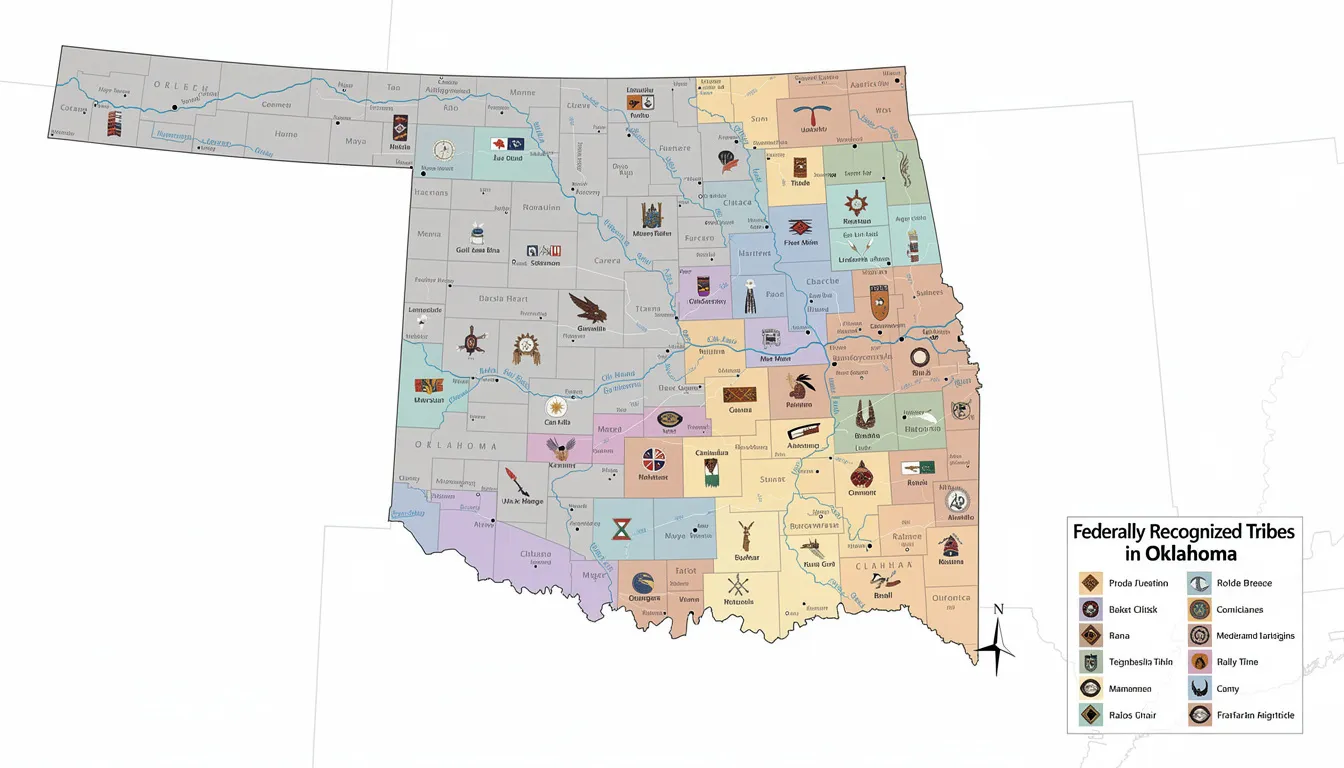
Oklahoma is home to 39 federally recognized tribes, each with its own government, laws, and court systems. Many tribes have an office or administrative entity that oversees employment programs and community initiatives, which means Oklahoma tribal employment often follows their own employment rules.
Recent Supreme Court decisions have reinforced tribal jurisdiction and sovereignty in Oklahoma, making it even more important for workers and employers to understand where authority lies.
Tribal Government Employment
Employees who work directly for a tribal government—such as administrative, health care, education, or cultural programs—are usually considered part of Oklahoma tribal employment.
Since 2015, tribal government employment in Oklahoma has grown significantly, with jobs now over 50% higher than their 2015 levels since the COVID pandemic. Tribal government employment has also grown faster than total state employment in Oklahoma during this period. Tribal government employment has closely tracked overall Native American employment in Oklahoma over the past decade. As of 2025, tribal nations directly employ over 55,600 workers in Oklahoma. Many tribes cover approximately 85% of health insurance costs for employees and their dependents. The Southern Plains Tribal Health Board frequently lists specialized healthcare and public health positions for tribal communities. The Cherokee Nation employs over 11,000 people in areas such as health services, construction, and administration. Additionally, both tribal government and enterprise jobs in Oklahoma are about 20% higher than their pre-pandemic levels, highlighting the strong growth of enterprise jobs and the substantial contribution of Native Americans to total jobs and regional economic development.
These positions are usually governed by tribal law, not Oklahoma state law.
Tribal Business Employment
Many tribes run businesses like casinos, hotels, clinics, or retail stores. Employees of these businesses may also be covered by tribal employment laws.
Tribal Court Employment
Tribal court employment includes judges, clerks, advocates, and court staff working within a tribal judicial system. These positions almost always follow tribal law.
Understanding whether your employer is a tribal government, a tribal enterprise, or a non-tribal entity contracting with a tribe is critical to determining your rights.
How Federal Employment Laws Apply to Tribes
Do Federal Employment Laws Automatically Apply?
Not always. Unlike private employers, tribes are usually exempt from many federal employment statutes unless Congress clearly says they aren’t.
This means that common workplace laws may not always apply to Oklahoma tribal employment, including:
- Title VII of the Civil Rights Act
- Disability Discrimination Laws in Texas
- The Age Discrimination in Employment Act (ADEA)
- The Americans with Disabilities Act (ADA)
- Age Discrimination Laws in Texas
Laws That May Still Apply
Some federal laws can apply in certain situations, such as:
- The Fair Labor Standards Act (wage and hour laws)
- Federal contracting requirements
- Certain whistleblower protections tied to federal funding
Whether a law applies depends on the exact situation.
What is OK Native American Labor
Tribal Employment Rules
Most tribes have their own employment codes, personnel policies, and dispute resolution systems. These tribal laws govern OK Native American labor within tribal workplaces.
Tribal employment codes explain:
- Hiring and termination procedures
- Employee discipline
- Employee rights regarding religious leave
- Workplace conduct
- Internal grievance processes
- Religion and employment law
- Discrimination, depression, and employment law
These protections are legally binding within the tribal workplaces.
Native Preference Policy
Tribes are allowed to give hiring preference to Indigenous Peoples (legally enrolled tribal members) through the Native Preference Policy. This is legal and based on tribal sovereignty and federal Tribal law. These policies are generally permissible even when similar practices would be unlawful elsewhere.
Tribal Court Employment and Legal Remedies
Tribal Courts, Not State Courts
If a dispute happens in Oklahoma tribal employment, it is often heard in tribal court rather than state or federal court.
Limits on Lawsuits Against Tribes
Tribes possess sovereign immunity, which means they cannot be sued unless they clearly waive that immunity or Congress authorizes the lawsuit.
Sovereign immunity extends not only to the tribe itself but also to tribal governmental agencies, tribal colleges, and for-profit ventures—that function as arms or extensions of the tribe. This means that tribal businesses considered an arm of the tribe enjoy the same sovereign immunity as the tribe itself. In certain circumstances, this immunity can also extend to individuals associated with the Tribe, such as officers and employees, when they are acting within the scope of their official duties.
Tribal sovereign immunity is a legal rule that protects tribes from being sued unless the tribe clearly agrees to it. In simple terms, courts usually do not have the power to hear cases against a tribe unless the tribe has waived that protection or given specific permission. This protection applies not only to the tribe itself, but also to tribal entities, tribal government agencies, and tribal officials when they are acting as part of their official duties.
Courts often look at past cases involving tribal governments to decide whether a lawsuit is really against the tribe or one of its related entities. In most situations, if the tribe is the real party involved, sovereign immunity applies unless it has been clearly waived. These issues are usually raised early in a case, often when a court is deciding whether it can hear the dispute at all.
Tribal sovereign immunity plays an important role in protecting tribal assets and allowing tribes to manage their own affairs. It helps tribes focus on economic development, government services, and employment programs without constant court challenges. Because tribes are sovereign nations, they operate under their own laws, which affects how labor disputes, administration, and internal procedures are handled.
Employment data tracked by the Bureau of Labor Statistics and the Federal Reserve Bank of Kansas City shows that changes in the working-age population can affect a state’s overall labor force. In Oklahoma, Native American employment has closely followed tribal government employment over the past decade. Cities such as Oklahoma City, Tulsa, and parts of southeastern Oklahoma contribute significantly to labor force growth, especially through tribal governments, government agencies, and industries that employ large numbers of Native and tribal workers.
This immunity can limit:
- Wrongful termination claims
- Discrimination lawsuits
- Contract disputes
- Claim unpaid wages from your employer
This can limit the types of claims employees can bring, even if they feel treated unfairly.
Common Misconceptions About Oklahoma Tribal Employment
“State Law Protects Everyone”
Not true. Oklahoma employment laws usually do not apply to tribes unless the tribe has specifically adopted them.
“Federal Law Always Protects Workers”
Also not true. Many federal employment laws do not include tribes or apply only in specific circumstances
“Tribal Employees Have No Rights”
Incorrect. Tribal employees often have rights under tribal law, even if those rights are different than state or federal protections.
What Tribal Employers should do
Clarity and Transparency
Clear employment policies and regular training reduce disputes and build trust.
Employees often report a strong sense of family and purpose within tribal nations’ workplace cultures, where culture and community are important to daily work life. The Choctaw Nation, for example, offers many roles with some remote or hybrid options and relocation benefits for tribal members. Many tribes also provide extensive health insurance benefits, including access to Indian Health Services.
Respecting Sovereignty While Promoting Fairness
Tribal employers balance cultural values, sovereignty, and modern workforce expectations. Strong internal systems support both legal compliance and employee well-being.
Working With Legal Counsel
Because tribal employment law is highly specialized, employers will benefit from attorneys experienced in both federal Native law and employment law.
What Employees Should Know Before Accepting Tribal Employment
Read the Tribal Policies
Before accepting a job, ask for and review the tribe’s employment policies and make sure you understand your rights and responsibilities.
Ask Where Disputes are Handled
Find out whether workplace problems are handled in tribal court, through internal processes, or another system. This can prevent surprises later.
Understand Sovereign Immunity
Knowing whether a tribe has waived immunity for employment claims can help you understand your legal options.
Why Oklahoma Tribal Employment Law is Different, and requires Specialized Knowledge
Oklahoma tribal employment operates under a separate legal system built on sovereignty and self-governance. Applying normal workplace assumptions can lead to confusion and frustration.
Understanding the basics helps employees make informed choices and helps employers avoid mistakes.
Oklahoma’s labor force participation rate has recently passed the national average for the first time in over thirty years, a shift driven largely by increased labor force participation among Native Americans and tribal communities. Since 2021, the labor force among Native Americans in Oklahoma has continued to grow, reaching its highest level in at least 20 years. The largest employment gains for Native Americans in Oklahoma during this period have been in the education, healthcare, and government sectors.
Conclusion: Knowledge is Protection- Navigating Oklahoma Tribal Employment With Awareness
Working for a tribe in Oklahoma can be meaningful and rewarding, but it comes with different legal rules. Understanding tribal sovereignty, tribal court employment, and OK Native American labor helps everyone navigate the system more confidently.
When you know which laws apply—and which don’t—you are better prepared to protect yourself and ask the right questions.
When approached with respect, clarity, and informed guidance, tribal employment systems can protect workers, honor sovereignty, and support thriving tribal communities.
►Start watching below