Key Takeaways
- Type 1 diabetes is usually a disability under the ADA because it affects major life activities like eating and endocrine function.
- Workers with Type 1 diabetes have a right to reasonable accommodations, including insulin breaks, CGM use, and flexible schedules.
- You do not have to share every detail of your medical history-only how Type 1 diabetes limits you at work when asking for help.
- Employers cannot punish you for requesting accommodations or reporting discrimination.
- Punchwork is a worker-facing employment firm that helps people use their rights. Knowledge is freedom when dealing with HR, your boss, or the EEOC.
Introduction: Type 1 Diabetes – How Do You Take This to Work?
You can absolutely work with Type 1 diabetes. But it takes planning, support, and knowing your rights.
Type 1 diabetes, sometimes called diabetes mellitus type 1, is an autoimmune condition. Your body attacks the cells that make insulin. Without insulin, you cannot survive. Insulin therapy is essential for managing Type 1 diabetes-every single day, for life. About 1.7 million adults in the U.S. have Type 1 diabetes, and 1.5 million Americans are diagnosed with diabetes each year; prediabetes is also widespread as an earlier stage and major public-health concern. In 2023, 12% of Americans had diabetes overall. Millions of people with diabetes go to work every day across every type of job.
Under the ADA, Type 1 diabetes is usually treated as a disability. It “substantially limits” major life activities like eating, caring for yourself, and endocrine function. But most workplaces are not built with insulin breaks, safe food storage, or private spots for CGM and pump use in mind. Social expectations-no breaks during meetings, “always on” culture, rigid shift rules-can clash hard with blood sugar needs.
Picture a cashier who can’t leave the register for a snack when blood sugar drops. A warehouse worker on a tight production line who starts shaking. An office worker told not to have food at their desk during a client meeting. Diabetes often presents with symptoms like increased thirst and frequent urination. Extreme fatigue is common. Unexplained weight loss can occur when diabetes prevents glucose use. Tingling or numbness in the hands and feet can indicate diabetes-related neuropathy. Slow-healing sores can be another symptom. Yet Type 1 diabetes is usually invisible at first glance. Needs vary by person and by day. Supervisors and co-workers may not understand how urgent a low blood sugar episode can be.
This article covers ADA protections, insulin breaks, CGMs, what employers must do, how to talk to HR, and what to do if things go wrong.

Type 1 Diabetes as a Disability Under the ADA and American Diabetes Association Guidelines
Here’s when and how Type 1 diabetes counts as a disability at work.
The ADA defines a disability as a physical or mental condition that “substantially limits” one or more major life activities or major bodily functions. Key activities affected by Type 1 diabetes include eating, caring for yourself, thinking clearly when blood sugar is low or high, and endocrine function. Diabetes is diagnosed by checking blood glucose levels, and three tests can measure blood glucose levels for diagnosis, including an oral glucose tolerance test that screens for gestational diabetes and helps guide disease control to reduce complications.
Under current EEOC guidance, insulin-treated diabetes is almost always seen as a disability-even if your A1C is well managed with treatment. The 2008 ADA Amendments made clear that mitigating measures like insulin don’t remove your protection.
You don’t have to be “very sick” or in the hospital to be covered. The daily need for insulin, meal planning, and blood sugar monitoring is enough. Early diagnosis and treatment of diabetes can reduce complications like heart disease, blurred vision from high blood sugar affecting eye fluid levels, and other serious results while supporting better long-term disease control.
The american diabetes association and other diabetes experts have long pushed for strong recognition of diabetes as a disability so people can work safely. However, the organization has faced scrutiny. In 2023, a whistleblower lawsuit was filed against the ADA. The lawsuit claimed ADA accepted corporate money for harmful recommendations. Elizabeth Hanna alleged she was fired for refusing to endorse Splenda, even as the ADA’s journal indicated artificial sweeteners may raise diabetes risk. These insights remind us to stay informed about who shapes health guidance.
How Type 1 Diabetes Shows Up for People Living With It in Real Workplaces
Type 1 diabetes can affect daily job tasks in ways most people never think about.
You may need to eat or drink quickly when blood sugar drops-even during a team meeting, a customer call, or a 12-hour shift. Delays can be dangerous. Physical activity on the job (walking a hospital floor, lifting boxes, working outside in heat) can swing blood sugar fast and require extra testing or insulin changes. Moderate-intensity aerobic activity for at least 150 minutes per week is recommended for diabetes management, but on-the-job movement adds layers of complexity.
Strict work rules-no phones, no food on the floor, timed breaks-can clash with CGM alerts, insulin injections, or access to snacks and water.
Here’s what this looks like:
- A teacher with Type 1 diabetes may need to pause class to treat a low. Blurred vision may arise from high blood sugar affecting eye fluid levels, making it hard to read notes.
- A long-haul driver needs food access and the ability to pull over if glucose crashes.
- A nurse on a 12-hour shift needs frequent glucose checks and insulin adjustments.
Needs vary between individuals and over time. One-size-fits-all company rules often fall short. Workplaces that plan ahead-clear policies, trained supervisors, backup plans-let people with Type 1 diabetes work safely and productively.

Insulin Breaks, CGMs, and Diabetes Technology on the Job
This section covers the concrete tools: insulin breaks, blood sugar checks, and CGM use at work.
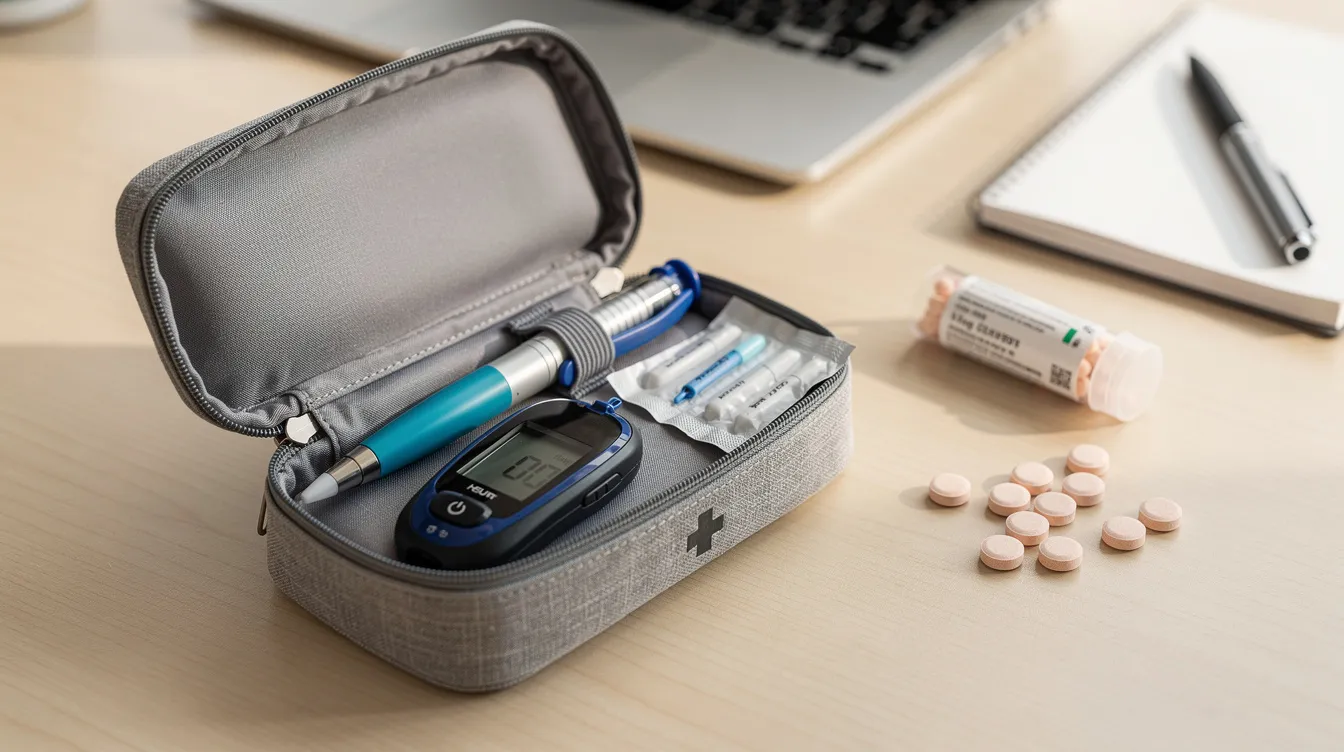
Insulin breaks are short, regular pauses to check blood sugar, inject insulin or adjust a pump, and eat or drink to keep levels safe. Most workers with Type 1 diabetes need access to insulin and supplies, a clean place for injections or pump changes, quick access to sugar for lows, and water and bathroom access for highs. Blood sugar monitoring is vital for diabetes management, and frequent blood sugar checks are important for effective results. Monitoring blood glucose according to recommendations aids in managing diabetes day to day.
A continuous glucose monitor (CGM) is a small device-a sensor placed on the body that checks sugar all day and sends numbers and alarms to a phone or reader. This technology helps avoid emergencies and adjust insulin dosing in real time.
CGMs affect work in specific ways: alarms may sound during meetings, vibrations may distract, and you may need to check your device and respond right away when low or high. Common issues that need accommodation include Bluetooth use in secure areas, “no phone” rules, uniforms or safety gear that press on sensors, or policies about visible devices.
Reasonable ways to handle tech at work include:
- Silent or vibration-only alerts except for urgent lows
- Clear approval to keep a phone or receiver nearby
- Slight dress code changes to allow CGMs and pumps
National diabetes experts and physicians now treat CGMs and insulin pumps as standard tools, not extras. Many jobs must adapt for safety.
Workplace Rights Under the ADA
Here’s a plain-English overview of your core ada rights at work with Type 1 diabetes.
Employers with 15 or more employees are covered by the ADA. Many state and city rules protect workers at even smaller companies. Employers cannot discriminate against you because of your disability in hiring, firing, pay, promotion, or job assignments.
You have the right to reasonable accommodations: changes to policies, schedules, or the work setting that let you do your essential job duties without creating an undue hardship for the employer. For a nurse, direct patient care is essential. For an office worker, answering calls is essential-but doing it at one specific desk may not be.
The interactive process is a back-and-forth conversation between you and your employer (usually HR) to figure out what you need and what they can provide.
The ADA also protects against harassment and retaliation. An employer cannot punish you for asking for accommodations or raising concerns. Punchwork helps workers use these rights in real cases, including discrimination, wrongful termination, and retaliation tied to diabetes and other disabilities, acting as employment rights advocates protecting workers from workplace injustices.
Examples of Reasonable Accommodations for Type 1 Diabetes and Physical Activity
Here are real-life accommodation ideas that many employers can and should provide.
Time and breaks:
- Short, unscheduled insulin breaks to check blood sugar, eat, take insulin, or treat lows
- Flexible lunch timing
- Ability to test and treat during meetings when needed
Space and privacy:
- A clean, private area for injections or pump changes (though many people are fine at their desk and should not be forced to hide)
Policy changes:
- Allowing food and drink at the workstation-balanced meals with consistent carbohydrate intake can prevent blood sugar spikes
- Allowing a CGM receiver or phone in areas that ban personal devices
- A small sharps container if needed
Schedule and duty adjustments:
- Flexible start and stop times for medical appointments
- Shift changes during times of blood sugar instability
- Temporary move from high-risk tasks during problem periods
Safety-focused:
- Training co-workers on what to do during severe low blood sugar
- Keeping fast-acting glucose at key locations
- Making sure someone can call 911 in an emergency
Healthy eating and regular physical activity form the foundation of diabetes management. What counts as “reasonable” depends on the job, but in most offices, retail, and light-duty settings, these changes are low cost and easy. Accommodations keep people safe, reduce emergencies, and support steady performance.
Disclosure and Documentation: What You Do and Don’t Have to Tell Work
You have control over what you share about your Type 1 diabetes at work. But some disclosure is needed to get ADA protections.
You do not have to tell your employer about your diagnosis unless you are asking for an accommodation, need medical leave, or your condition creates a safety issue. When you do ask for help, explain your functional limitations-“I need to treat low blood sugar right away” or “I may need unscheduled breaks”-rather than sharing your full medical history.
HR can usually ask for a short note from your healthcare providers saying:
- You have Type 1 diabetes
- How it limits you at work
- What accommodations could help
The note does not need every test result or full clinic notes. It should focus on limitations and needs, not your whole life story.
Tips:
- Keep medical details with HR, not your direct manager
- With your boss, focus on schedule or rule changes you need
- Put requests in writing (email works) so there’s a record of what you asked, when, and any response
Punchwork often helps workers frame these requests in clear, simple language, and disability discrimination lawyers can also help enforce ADA rights and accommodations. Early advice from providers and legal support can prevent bigger problems later.
What to Do If There Are Workplace Issues
If accommodations are denied, delayed, or if you face unfair treatment because of Type 1 diabetes, here’s what to do.
Step one: Talk with HR or your supervisor. Explain your needs in writing. Share medical documentation as needed. Join the interactive process with good-faith ideas.
If your employer resists: Follow up in writing. Ask for reasons for any denials. Keep detailed notes about comments, decisions, and any negative treatment after your request.
Watch for signs of discrimination or retaliation:
- Cut hours right after asking for insulin breaks
- Demotion with weak reasons
- Hostile comments about “needing special treatment”
- Sudden discipline for small issues that were never flagged before
Use the company’s complaint policy. Talk to HR. Escalate up the chain if your direct supervisor won’t work with you.
If internal steps don’t fix things, you can file a charge with the EEOC or a similar state agency. Time limits are often 180 days (or 300 in some states), so acting soon matters.
Punchwork represents workers in these cases-wrongful termination, discrimination, failure to accommodate, and retaliation-and offers free legal consultations with employment law attorneys. Don’t wait until you’re fired for being sick. Getting help early can protect your job and your health.
Key Takeaways and Practical Next Steps
- Type 1 diabetes is usually a disability under the ADA. You are protected from discrimination and have a right to reasonable accommodations.
- Core accommodations include insulin breaks, CGM use, access to food, water, and restrooms, schedule flexibility, and job duty tweaks for safety.
- You must share how Type 1 diabetes limits you at work when asking for help. You do not have to give every medical detail.
- Next steps:
- Think about what you need to work safely.
- Talk with your healthcare provider about a support letter.
- Contact HR in writing.
- Consider speaking with a worker-side firm like Punchwork if you run into pushback.
Knowledge is freedom. Understanding your rights is the first step toward a safer, more fair workplace.
Conclusion: Working Safely and Confidently With Type 1 Diabetes
Type 1 diabetes is a recognized disability under the ADA. That status opens doors-it doesn’t close them. It’s about access, safety, and fairness at work. People with Type 1 diabetes work in every field, from teaching to trucking to tech. With the right accommodations, they do their jobs well and safely. For those newly diagnosed, know that millions of adults, families, and individuals manage this condition at work every day. During chronic disease awareness month and beyond, this conversation matters.
Asking for what you need is not “special treatment.” It’s a right built into U.S. workplace protections. Weight management can significantly improve blood sugar levels for those with type 2 diabetes, while a healthy diet and regular exercise are critical for managing type 2 diabetes as well-but for Type 1, insulin and the right workplace support are what make the difference. Whether you’re focused on nutrition, exercise, or simply getting through a shift, the fight for fair treatment at work is one worth having. Centers like the NIH and public health organizations in Washington and across the country continue to provide research that can improve care, strengthen treatment, and support efforts toward a cure while helping prevent diabetes complications at every stage.
Punchwork is a worker-facing employment firm focused on educating and defending workers, with a nationwide presence providing employment law support. Knowing your rights-and how to use them-is a powerful form of freedom. If something feels wrong at work, reach out. Share this page with others living with Type 1 diabetes. Join the conversation so more workers can stay safe, supported, and employed. You can learn more and sign up for a free consultation at punchworklaw.com. The cost of silence is too high. Your contributions to your workplace matter, and your health should never be the practice you have to sacrifice to keep your job.

Frequently Asked Questions About Type 1 and Type 2 Diabetes
These answers are general information for workers in the USA. They are not personal legal advice. For your own situation, get one-on-one help from a qualified employment firm.
Do I have to tell my co-workers that I have Type 1 diabetes?
No. Disclosure to co-workers is your choice. Many people share only with a few trusted teammates so someone knows what to do in an emergency. The ADA focuses on what you tell your employer, not your peers. You decide who to tell and how much to share on a day-to-day basis. Some patients prefer openness; others keep it private. Both are fine.
Can my boss force me to stop using my CGM or insulin pump at work?
In most cases, no. CGMs and pumps are part of needed medical care and management. Banning them without strong safety reasons can violate the ADA. You may need to work out ways to manage alarms or device placement to fit safety or security rules, but a blanket ban is usually not legal.
What if my job involves driving or dangerous equipment?
Safety matters, and some jobs may require extra steps-like checking blood sugar before driving or stepping away during a low. But blanket bans on people with Type 1 diabetes are often illegal. Accommodations should focus on making the job safe, not pushing you out. An individualized risk assessment is what the ADA requires.
Can I be fired for missing work because of my diabetes?
Employers don’t have to keep every job open forever. But they generally cannot fire you just because you used reasonable medical leave or asked for accommodations. Patterns of discipline tied to your diabetes care can be a warning sign. If that happens, talk to an employment firm right away.
When should I talk to a firm like Punchwork?
Reach out when accommodations are denied, when you see signs of retaliation, or even early in the process if you want help framing your requests. Early advice can prevent small problems from turning into job loss. Punchwork offers free consultations and represents workers across the country, with employment lawyers helping workers understand their rights.